
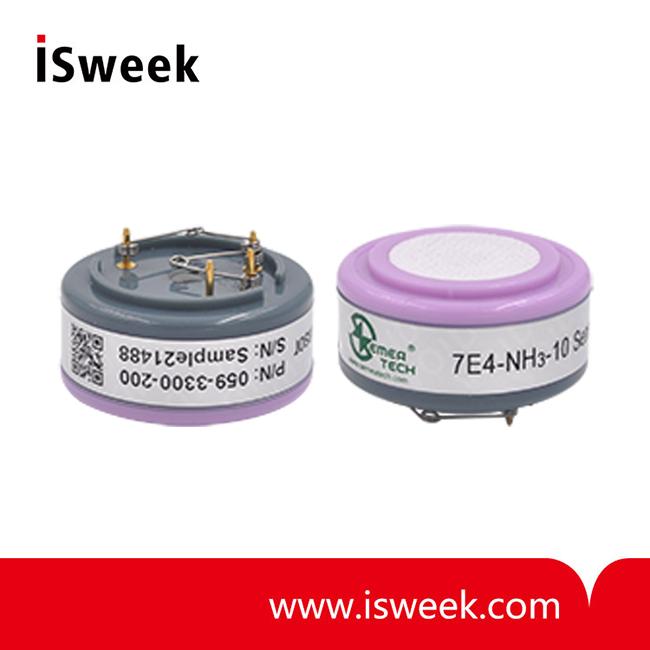

SemeaTech 4-Electrode NH3 Sensor

-
Price
Price on request ≥1piece
-
Model Number
7E4-NH3-10 -
Data Sheet

-
Package
Original packaging -
Specs
7E4-NH3-10 -
Quantity
- +Send Inquiry
Find Similar Products
-
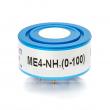
Electrochemical Ammonia Sensor (NH3 Sensor)
Model Number:ME4-NH3
MOQ:1
-
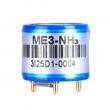
Electrochemical Ammonia Sensor (NH3 Sensor) 0~50ppm
Model Number:ME3-NH3
MOQ:1
-
Ammonia Sensor
Model Number:TGS826
MOQ:1
-
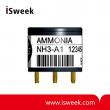
Ammonia Sensor (NH3 Sensor)
Model Number:NH3-A1
MOQ:1
-
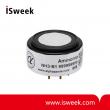
Ammonia Sensor (NH3 Sensor)
Model Number:NH3-B1
MOQ:1
-
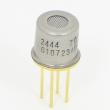
for the detection of Ammonia
Model Number:TGS 2444
MOQ:1
Product Description
Product Description:
This 4-electrode sensor is designed for air quality monitoring to measure the low-concentration NH3 gas with ultra-high resolutions. The design optimizes the sensor sensitivity, accuracy and long-term stability and enables the sensor to detect ozone variations at parts per billion (ppb) levels.
Performance Characteristics:
|
Nominal Range |
0 ~ 10 ppm |
|
Maximum Overload |
50 ppm |
|
Sensitivity (20℃) |
0.20 ± 0.05 μA/ppm |
|
Response Time (T90) |
≤ 120 s |
|
Zero Signal (20℃) |
< ±0.1 μA |
|
Baseline Shift (-30℃ ~ 50℃) |
< 1 ppm |
|
Resolution |
60 ppb |
|
Linearity |
Linear up to 10 ppm |
|
Bias Voltage |
0 mV |
Environmental:
|
Temperature Range |
-30℃ ~ 50℃ |
|
Pressure Range |
1 ± 0.1 atm |
|
Humidity Range |
15% ~ 90%RH non-condensing |
Life Time:
|
Long Time Output Drift |
< 2% signal/month |
|
Recommended Storage Temp |
10℃ ~ 30℃ |
|
Expected Operating Life |
2 years in clean air |
|
Storage Life |
6 months in original packaging |
|
Warranty |
24 months |
Intrinsic Safety Data:
|
Max. Current at 50ppm NH3 |
< 0.2 mA |
|
Max. O/C Voltage |
1.3 V |
|
Max. S/C Current |
< 1.0 A |
Physical Characteristics:
|
Housing Material |
ABS |
|
Weight (Nominal) |
8 g |
|
Orientation |
None |
Product Dimensions:

All dimensions in mm
All tolerances ±0.10mm unless otherwise stated
Temperature Data:

Safety Note:
The sensor is designed to be used in certain instruments for life critical applications. To ensure the sensor functions per its specifications inside the instrument, it is required to read the instrument user's guide carefully and comply with the calibration procedures by using certified target calibration gas before each use. Failure to do so may cause serious injury and fatality. Please do not open the sensor plastic enclosure because the electrolyte and other chemicals stored inside are harmful.
It is highly recommended for customers to validate the sensor performance using this document as a reference for their product designs or applications.